Friday, August 3, 2018

Final Reflection

For me, I feel like the most formative assignment this semester was the elevator pitch portion. That type of thing is so far out of my comfort zone and I've never really had to do anything like that before, so it was really a change and sticks out in my mind from all the other assignments. I feel like the most joyous experience were the reading reflections simply because I like to read, and the books I chose were also incredibly interesting to me. I love history and am always looking for ways to learn more about it, so those assignments for me were a personal enjoyment. The thing I will probably remember most years from now isn't necessarily one assignment, but the comments for all the assignments. Just the process of feedback to and from a network of students was different for me but in a good way and I'll remember it for a long time to come.
I feel like at the end of the semester I have developed more of an entrepreneurial mindset, however I still don't think I have quite what it takes to be an entrepreneur on a big level. I like to be able to jump around between a variety of different projects and I love creating something purely for the sake of the process and creating, rather than actually going through all the steps to get my creation to market.
The thing I would suggest to future students would have to be to look ahead and plan accordingly. Also my number one tip, if you don't like having assignments due on Friday nights, pretend they aren't. Do them by Thursday at the latest and you'll save yourself so much stress. To foster the entrepreneurial mindset, I'd say to believe in yourself and to never discount something because of its size. All ideas have value, it just takes the right person to come along and see it.
This is me at the end of the semester, and I'm so excited to be on the other side of this last week. 

Venture Concept No. 2

1. Venture Concept:

Opportunity:
The most basic response for the need would be overcrowded animal shelters. The potential customers I would say are both small individual-owned motels and businesspeople away on trips. Since this is a bit of a two-part customer group, there are a little bit more opportunities for future growth here.  Forces in the economy that’s even creating this opportunity is the constant travel for businesspeople, and the ever-increasing amount of animals in shelters that end up resorting to euthanasia. The market is more centered around smaller towns at the moment in order to have a drawing-in factor, but as far as geographically, this idea could take place anywhere. Customers currently are just traveling to normal motels, and the motels stay in business because as long as people have to travel there will at least be some business coming in. So on that note, the customers are loyal now simply because of necessity. I don’t think the opportunity is huge, but because of the nature of the specific market, I think the opportunity will be open for a long window. Especially because there are so many animals in the shelter unfortunately being put down due to overcrowding. 

Innovation: 
My innovation is a service that teams up local motels with overcrowded animal shelters. Every room would be assigned a pet that lives there, and in exchange for taking care of the pet, the room’s fee would be paid for for as many days/nights as the business trip lasted, since I’m making the initial pitch to businesspeople on conferences. For each room that has an animal, profits for the hotel would come from sponsorships and donations, ideally from big-name sponsors like Petsmart. This arrangement would also work for out-of-towners later down the line with a love for animals looking for lodging, or potentially even college students. The money will be made from the sponsors, companies I partner with for supplies, and I’ll get a percentage from all the business I bring to the hotels involving the program. 

Venture Concept: 
My innovation will solve the unmet need of a place for animals in shelters to go rather than being put down. I feel like customers will invest in and be a part of my innovation because many people do care about animals and want to help in finding a solution for them, and my program is also a way to make a long, dreary trip feel a little bit more refreshing and like home, and these are two reasons that customers would be likely to switch to my product. I don’t think it would be too hard to get them to switch as long as the service had had a first test run to iron out all of the hiccups. As far as competitors go, the only competitors I see would be big hotel companies that have a never-ending stream of revenue in general. Their weakness against my concept would be their lack of animals. Price point and marketing would play a key role in getting my service up and running. I’d go with marketing heavily, to try and drum up interest, and then use the cheaper price points of local motels to my advantage in drawing customers in. For the business organization, I would have may regional managers to oversee the whole interaction between shelter, motel, and customer, and I’d also ideally like to have several employees specialized and working in each of these areas. I’d also like to have a team of people who work in expansion and travel to new towns with the potential to implement the program. Another element I could add to my concept would be branching out largely to other sorts of markets, sort of like in the assignment that we actually had to pick another assignment. So while initially I'd stick with motels, in order to eventually grow the service I would move to personally owned shops and other businesses similar to that. 

Three minor elements: 

  1. I think the most important resource here is the creativity of the idea. This will be the factor and the difference from everything else that draws in customers. Also, just the fact of working with and helping provide care for animals I feel like will be something many people will want to take part in, which will help business even more. It will be hard to compete with because of the feeling that it gives the customers- feelings of helpfulness and of having a home-away-from-home. 
  1. What’s next for the venture is more resource to go through every last detail that I have yet to think of or any of the ones that have come up in the interviews. After that, I’ll probably start with polling of large samples of people to see if this product is something a large group of people would be interested in and what other improvements could be made. After this step, I’d go to implementation in a few select motels for a test period before going on a larger scale. 
  1. As far as what’s next for me, if I were to get this idea up and running, I’d like to always work closely with is, as it deals to an issue so important to me. Eventually, I’d like to just be able to travel to all the motels and regions the service was in to check up on how its going and work with the design team to come up with changing advertisements. This first venture idea has helped me into thinking big and because of that, I could potentially see myself joining in with other individuals to work on new projects I feel passionately about. 
2. Feedback:

As far as the feedback goes from my first venture concept, it was very positive. The people that commented said they thought my concept was fun and had great value so to move forward with it in the future. However, there weren't really any constructive comments on how to improve upon my idea, so the changes I made in my above version of the concept were my own.
3. How you changed the concept:
I really didn't change my concept very much, as I like it right now how it is for the starting off stages, but I went back in and added a little more room for potential growth and new directions that could be beneficial in the future.
4. Picture:
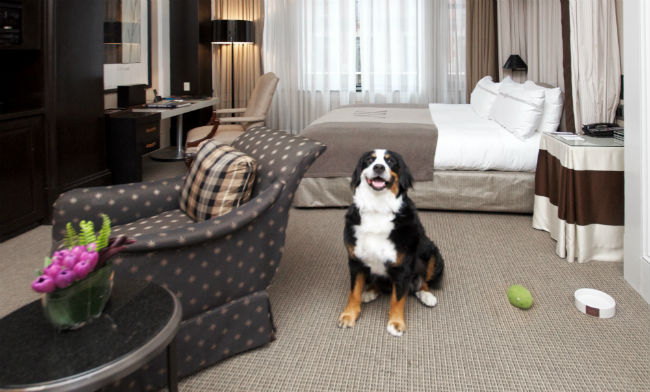
Wouldn't this just be a great view to see when you walked into your hotel room?

Friday, July 27, 2018

Reading Reflection No. 3


For this reading reflection, I read The Wright Brothers by David McCullough. This is from the biography section of the reading list. 
  1. Since I read about two entrepreneurs rather than one, The thing that I found most surprising about the Wright brothers was how much of a unit they were. From the very beginning and all throughout the book, the author painted a very clear picture about how much of a cohesive team they were and while they worked together, they each had their own specific thing to contribute to the team. For example, Wilbur Wright did almost all of the writing for their inventions simply because he preferred writing more than Orville. The thing that I most admire about these two men was their ability to work so well as a team and to consider the other person’s point of view at full value. I have two uncles who went into business together and that was the most difficult thing for them so even though it’s a simple thing for them to have accomplished, I admire it greatly. I don’t really think that there was a thing I disliked most about the brothers, but I did notice that the author made a point of throwing in little facts throughout the book that gave nods to negative qualities or situations surrounding each of the two on occasion. These men both encountered adversity and failure many times- they were inventors after all. How they dealt with this was just going back to the drawing board and refining their prototypes until they got to where they had successes in their machines. 
  2. I noticed that both men exhibited competencies in areas beyond just mechanical and construction abilities. This kind of goes back to their background where their father raised them to be well-rounded gentlemen, so they were well-versed in many things besides just what made them famous. 
  3. One part of the reading that was confusing to me was the discussion of the plane prototypes and the building process. I am not a handy person at all, so I was a little lost whenever these descriptions came up. 
  4. If I were able to ask the brothers two questions, they would probably be “How would you explain aerospace engineering to the common person?” and if they were living today, I would ask them what they thought about drones and helicopters. 
  5. I think their opinion of handwork would involve communication and good teamwork. I think they would stress to never be disheartened by any failures and to just keep tweaking your ideas until they have success. I agree with these ideas a lot because I was kind of raised with the “don’t give up keep trying again until it works” mindset, and throughout the book, I got the feeling that this is what Wilbur and Orville Wright did through their entire lives and inventing careers. 

Your Exit Strategy


  1. My exit strategy for my business would be working with my program for maybe 5-10 years and really get it up and running, then have trusted and longtime employees put into a place or more responsibility so that I would have the opportunity just to go around to all the different motels We’ve partnered with and see how the service is running. I would like to do eventually wind up more in the traveling and human resources area to be able to still talk to and meet different people that my program is impacting. Due to this exit strategy, I will still hold some company authority, but not all of it. I want to see where it can go and how other people with similar opinions can grow it, so I’m not sure that I would make it something to only be passed down to family. 
  2. I’ve selected this particular exit strategy because it leaves me open to other possibilities, but I can still be in a positions where I can see my program grow and flourish. I like to be active in a good amount of different things at once and I love traveling, so this is the perfect way to do both. 
  3. I don’t think my exit strategy has influenced my concept at all because I’ve tried to be really careful about thinking objectively as far as my concept goes. For example, if I were to talk about something the owner/head person would do, I don’t necessarily think of it as me doing it. Ideally I would just think the job could be completed by either the person or team that can accomplish the task best. 

Celebrating Failure


  1. For my fail part of this assignment, I’d probably say that it involves a painting studio class I’m currently enrolled in. Everyday when I go into class, I have a change of clothes so that I don’t get paint on my normal clothes and then I can change back at the end of the studio. I go to work after my class usually, and the first few days of the semester I noticed some of my coworkers giving me strange looks. Took me a little while to realize it was because I had paint all over me. So as far as failing goes, I can’t even count the number of times my painting clothes didn’t help keep me clean at all and I’ve had to just go about the rest of my day with paint all over the place. I’ve also accidentally put my hand in wet paint several times then had to go back and fix it, which is generally just the worst feeling in the world. 
  2. What I learned from this is to take my time and be especially conscious as to where my hands are at all times. Also, painting from left to right is a way smarter move because then my hand won’t be hovering over the sections I’ve already completed. 
  3. In general, yes failure is hard. It’s one of the most discouraging things ever and it makes finding motivation to keep on pushing through really difficult. Typically, I’d like to think that I handle failure pretty well. I’m able to realize it, take a short step back, and then try either approaching it from a different angle, or I work on something else so I can take a break and still be productive. This class I think made me realize that it’s okay to fail because so many people do in business but then are still able to make something of themselves. I think that even after this, I’m still pretty much the same on my risk-taking because whenever I judge something like that, I always know there’s a possibility to fail, so that’s not really a deciding factor for me. 

Friday, July 20, 2018

What’s Next?


Existing Market
1. I think for my venture, the next step would be heavy advertising and partnering between animal shelters and hotels. Another step to look into could be a sort of adoption program after the motel pets. For example, if a businessperson really felt a connection with a pet that was in their motel room, they would have the option to adopt the pet and take it home with them, freeing up space in the motel for another pet to be taken from the shelter.
  1. Three customers
    1. The first is a friend of mine named Molly. Molly works at an animal shelter and while she is not in charge of it, she’s there a lot and knows most all the employees. After I told her about my venture concept, she suggested that maybe I start with only small towns to begin with. In one of my previous assignments I mentioned how smaller towns need a “wow factor” thing to draw people in, and Molly made this point as well, so I think that may be a good suggestion to start with.
    2. The second person’s name was Hector. Hector is the front desk clerk at the local motel in my hometown. I’ve had family stay in the motel for graduation or weddings over the years, so I felt comfortable enough walking in and talking with him about my idea. He smiled and said that if I had pets then and there he would home one in each of the rooms. He suggested that I should maybe start looking into certain gadgets. For example, partner with companies that make automated water bowls and things like that to not only gain income and sponsors, but to make the process of caring for the hotel pets even easier for the room occupants. 
    3. My third interviewee was a worker at PetSmart named Jenna. I went in with a friend to get stuff for a fishtank and she helped us, so I explained a little bit of my idea to her. Her thoughts were to definitely go with partnering with bigger companies, and to find a way of maybe matching a specific pet to a type of person. Like roommate matching in apartment complexes. I hadn’t even thought of this idea, but once she suggested it I really like it and would absolutely implement it. 
  2. The path for my venture’s future would start of with more research and planning before I was ready to start putting it into practice. I feel like what makes the most sense for this current market is personalization of the service itself, and starting small. I think this is a good idea because while thinking big initially might be a good way to get the word out and start a ton of businesses, just in my interviews I’ve already found a lot of things to improve upon in my idea that I would want to get out of the way before launching the project on a larger scale. I feel like the next probable step is setting up websites or channels for the adoption process, so it could be relatively easy for all parties involved and not have to rely on older paper adoption methods. 

New Market
1. My new market would be clothing retailer stores. So for this market, the retailer company could adopt a pet to keep in each of its stores.
  1. The reason behind this new market was because a few months ago, I was shopping with my sister and we went into this cute little boutique place and there was a cat in a bed by the cash register that my sister fell in love with. I’ve been in a couple other small clothing stores that had pets, and they were always more memorable to me, so that could be part of the pitch to include when trying to get into this new market. Not only would the animal be an attention-getter to bring more customers in the door initially, but after the owner were to tell them about the cause that they’re helping, the business might gain more lasting support in the community and have repeat customers. 
  2. New market interviews
    1. My first interviewee was with the owner of a boutique called Ella Blu. I’ve gone to this shop a few times over the years, and it has that little but stylish shop feel to it. The owner wasn’t there, but I spoke to the manager about the idea. She loved it and thought it would be a great thing for business. The only suggestion she made was to maybe have the pets basic trained to be in the shops, which is something I agree with. 
    2. The second person I interviewed was for a shop in downtown Pensacola that sold clothes, but also had souvenirs and household items, so there was a wider spectrum of customers in the store. The owner/manager of this shop liked the idea to begin with, but he suggested that since there was a good bit of traffic in his store, to maybe have it be a smaller animal like a cat or bird for that particular store. I feel like this is a good point to consider too and it kind of goes back to the idea I had before about matching the pet to the client/room occupant. 
  3. The thing that surprised me most about this new market was how accepting and on board my interviewees were to the idea. Also, I feel like this market is similar to the hotel one in the aspect that it would probably be good to start off in privately owned stored rather than huge department stores, and then grow my idea from there if it goes well. I still think that my first market is a little more appealing, but only by a little bit. After my second round of interviews I found out that having a “store mascot” if you will was an idea that actually appealed to certain business owners because it would bring in not only more customers, but would probably boost the morale of their employees. 

Venture Concept No. 1


Venture Concept: Project Pet Shelter, Hotel Rescue
Opportunity:
As far as who has the need here, the most basic response would be overcrowded animal shelters. For who the potential customers are, I would say both small individual-owned motels and businesspeople away on trips. Forces in the economy that’s even creating this opportunity is the constant travel for businesspeople, and the ever-increasing amount of animals in shelters that end up resorting to euthanasia. The market is more centers around smaller towns at the moment in order to have a drawing-in factor, but as far as geographically, this idea could take place anywhere. Customers currently are just traveling to normal motels, and just go in and out without really thinking. The motels stay in business because as long as people have to travel there will at least be some business coming in. So on that note, the customers are loyal now simply because of necessity. I don’t think the opportunity is huge, but because of the nature of the specific market, I think the opportunity will be open for a long window. Especially because there are so many animals in the shelter unfortunately being put down due to overcrowding. 

Innovation: 
My innovation is a service that teams up local motels with overcrowded animal shelters. Every room would be assigned a pet that lives there, and in exchange for taking care of the pet, the room’s fee would be paid for for as many days/nights as the business trip lasted, since I’m making the initial pitch to businesspeople on conferences. For each room that has an animal, profits for the hotel would come from sponsorships and donations, ideally from big-name sponsors like Petsmart. This arrangement would also work for out-of-towners later down the line with a love for animals looking for lodging. The money will be made from the sponsors, companies I partner with for supplies, and I’ll get a percentage from all the business I bring to the hotels involving the program. 

Venture Concept: 
My innovation will solve the unmet need of a place for animals in shelters to go rather than being put down. I feel like customers will invest in and be a part of my innovation because many people do care about animals and want to help in finding a solution for them, and my program is also a way to make a long dreary trip feel a little bit more refreshing and like home, and these are two reasons that customers would be likely to switch to my product. I don’t think it would be too hard to get them to switch as long as the service had had a first test run to iron out all of the hiccups. As far as competitors go, the only competitors I see would be big hotel companies that have a never-ending stream of revenue in general. Their weakness against my concept would be their lack of animals. Price point and marketing would play a key role in getting my service up and running. I’d go with marketing heavily, to try and drum up interest, and then use the cheaper price points of local motels to my advantage in drawing customers in. For the business organization, I would have may regional managers to oversee the whole interaction between shelter, motel, and customer, and I’d also ideally like to have several employees specialized and working in each of these areas. I’d also like to have a team of people who work in expansion and travel to new towns with the potential to implement the program. 

Three minor elements: 
  1. I think the most important resource here is the creativity of the idea. This will be the factor and the difference from everything else that draws in customers. Also, just the fact of working with and helping provide care for animals I feel like will be something many people will want to take part in, which will help business even more. It will be hard to compete with because of the feeling that it gives the customers- feelings of helpfulness and of having a home-away-from-home. 
  2. What’s next for the venture is more resource to go through every last detail that I have yet to think of or any of the ones that have come up in the interviews. After that, I’ll probably start with polling of large samples of people to see if this product is something a large group of people would be interested in and what other improvements could be made. After this step, I’d go to implementation in a few select motels for a test period before going on a larger scale. 
  3. As far as what’s next for me, if I were to get this idea up and running, I’d like to always work closely with is, as it deals to an issue so important to me. Eventually, I’d like to just be able to travel to all the motels and regions the service was in to check up on how its going and work with the design team to come up with changing advertisements. This first venture idea has helped me into thinking big and because of that, I could potentially see myself joining in with other individuals to work on new projects I feel passionately about. 

Your Venture’s Unfair Advantage


Resources: 
  1. Support of small business owners 
V- Support is always valuable, especially in the market that will be helpful to my venture. 
R- Not too rare for this actually, considering how many businesses there actually are.
I- Pretty easy here to copy, because lots of ideas can win over support. 
N- This resource is the only one that con provide these benefits.

        2. A surplus of animals without a permanent home

V- For my concept, this is probably one of the most valuable aspects, since this is what my concept centers around.
R- Not rare at all, Because this is what I’m trying to fix with my concept as a whole, is the surplus of homeless animals. 
I- Not hard to copy because again, there’s a surplus of these animals. 
N- No other resource will have the same benefits, seeing as this is a raw resource of sorts. 

        3. Knowledge of how corporate deal-making works

V- Since I will potentially be dealing with big corporations, this knowledge will be invaluable. 
R- Not the most common, but not super rare either, seeing as there are a huge number of individuals in business. 
I- I guess it could be a little hard to imitate in certain fields maybe. 
N- Other than just doing more interviews, I don’t see how this could be substituted. 

        4. Creativity

V- Very valuable, because creativity could be one of the biggest things that separates my idea from others and makes it more appealing to businesses. 
R- Not too rare, many people are creative individuals. 
I- Very easy to imitate. 
N- The benefits of this could maybe be substituted if you knew creative people, so you wouldn’t have to actually be too creative yourself.

        5. Website building skills

V- Since a good bit of advertising nowadays is through the internet, it would be really helpful to have this skill and not have to hire out. 
R- Not very rare, especially with people my age. 
I- Easy to imitate as well. 
N- Can’t get these benefits from another resource, except again, if you have a friend that’s good at it and willing to help. 

        6. Graphic designer/advertising friends to help with marketing

V- Very valuable and helpful since advertising can sometimes make or break a business. 
R- Sort of rare, because skilled people in these fields are often already employed and wouldn’t be willing to help just for fun. 
I- Relatively easy to imitate, because there are a lot of professionals in these fields. 
N- Can’t be substituted, unless I had these skills already myself. 

        7. Lots of businesspeople that take long trips are also pet owners

V- Lots of value here because this is what I’m hoping to play on to make my concept work. 
R- Not rare at all. 
I- Is imitated all the time with almost every company everywhere because it’s inevitable that companies will need to send representatives to network with other companies. 
N- No other of my resources will produce the same benefits. 

        8. Not afraid to talk to all people so I could start building new and advantageous connections

V- Valuable because nothing happens if you don’t ask. 
R- Not rare at all, a ton of people have this skill. 
I- Not hard to copy either.
N- I guess I could get the benefits here form other resources like having preexisting connections or something. 

        9. Living in Florida there’s lot of tourist-y costal towns to use

V- Semi- valuable. There’s always places where tourism can be exploited more than just a normal town. 
R- Not rare at all. Florida is huge and it’s all costal.
I- This can be imitated just about anywhere that has a town with some sort of drawing-in factor. 
N- I actually can’t really achieve this affect with any other resources, so in that aspect, it’s pretty unique and helpful.

        10.Experience of working for a family owned business

V- Incredibly valuable, because I know what it takes to see all aspects of something and have them all work together and to correct what I need to. 
R- Kind of rare- since smaller businesses aren’t as common anymore as they once were. 
I- For the above reason, it’s a little hard to copy unless you can work your way into one. 
N- I don’t think this kind of all-around hands-on experience could be gotten through another resource here. 


Top resource: 

I think my top resource would have to be creativity. I feel like this also relates to adaptability, which would prove to be invaluable in getting the venture off the ground. Creativity would ultimately be what makes my venture different from every other service ever, so that would be the difference in and of itself. 

Friday, July 13, 2018

Growing Your Social Capital


Before I begin with my information for this post, I will say that this assignment was quite possibly on of the most difficult ones I have done so far in my college career, and part of it was simply that I really did’t know where to start. So with that being said, here are my three new people. 

  1. Ms. Meeks was my first interviewee. She is a head supervisor of an animal shelter in Escambia county in the panhandle of Florida and when I asked her, she said she had been with that particular shelter for about 10 years. She is filling the slot of domain expert. I came into contact with Ms. Meeks actually when I was going with an old friend from high school to look about adopting a dog, and while he was looking around and getting to know some of the pets, I talked to some of the workers, who then introduced me to Ms. Meeks who was working at the time. She was a very nice and professional lady from the start and she seemed to be very interested when I told her about the whole process we’ve had to go through with this class about developing our ideas. Her favor to me was a bit more insider knowledge on what sort of goes on behind the scenes with the wholes in reporting the actual percentage of pets euthanized in some shelters. While I don’t live in the shelter anymore, there wasn’t really a return favor that was requested, other than her liking me to reach out if I ever do go about butting my service idea into action. She enhanced my ability to exploit an opportunity by telling me kind of where some of the legal loopholes lay at least in the realm of the animal shelters so when I put them together with the hotel side of things, I can work with that. 
  2. Mr. Reishus was my second interviewee. He is the owner of two local motels in Montana- the sort of motels that I would like to partner with in my business plan. And because of this, he is filling the role of the supplier to the industry. With my particular idea, I want to find a way to connect the animal shelters and the motels, but it would be the actual motel owners that are the suppliers of the service to potential customers so in that aspect, it fits. Mr. Reishus is actually my paternal great-uncle, so he wasn’t really a stretch to find and I am in pretty regular contact with him so I was able to just call him up and discuss the assignment. In our exchange I talked with him about if someone were to propose the idea of bringing pets in as permanent fixtures for his hotel, what would he say? I was glad to hear him say that he actually really liked the idea. He operates out of a very small town in Montana and because I am also from a small town, we both recognize the need for their to be a unique and drawing-in factor of the town to supply it with visitors. My great uncle agreed with me wholeheartedly that my idea serves exactly this purpose so in the manner of favors here, he said that if I do get this idea up and going, I have to place pets in his motels first and then he’ll do networking for me all around the state of Montana so he said. As far as exploiting an opportunity, I feel like if it were able to work in his motels, I would then know more about how to deal with the small business and local aspect that is a central part of my plan. 
  3. Mr. Kamase was my third interviewee and by far the hardest to find/figure out. Mr. Kamase works in the hotel marketing industry and currently is working out of northern Arkansas. He is filling the slot of expert on the market for this assignment. I made contact with Mr. Kamase through a cousin of mine who is working with the R&D department of Walmart in Bentonville, Arkansas. I guess at some sort of professional function, my cousin met Mr. Kamase and then because he knew I was in this class, thought he might be a valuable person for me to talk to. Our exchange was one over email and over about a week or so. He was extremely helpful and curious about not only the course in general, but also my specific idea. When I first told him, he said that every one of his three daughters would absolutely love the idea, so that made me feel good. For the favor portion and networking, he kind of gave me an explanation as to how contracting works with exterior entities (like an animal shelter for instance) in the hotel industry. Honestly, after this conversation, I realized just how hard it may be to actually go through all the steps of implementing my idea. Nonetheless, it was a very eye-opening exchange. 
For my reflections on this, I think that my confidence level in the professional aspect of my life boosted a lot. So far, most of the professional working people I deal with are at hospitals where I volunteer, so those are more instructor-student roles I have with them. This was the first time I ever really toyed around with the networking idea to people that I have very little in common with and putting it all out there from the get-go. And I will say, it was a sort of nerve-wracking assignment, but it gave me a push in a good direction for reaching out to people in the future that I might never have thought to do so otherwise. 

Reading Reflection No. 2


For this reflection, I read the book Makers by Chris Anderson. 
  1. The general theme of this book was involving the supposed Third Industrial Revolution. This is to say that in the last two decades, the whole method of inventing and getting products to the market has changed significantly. One of the themes that I noticed kept getting brought up was the argument of “bits” versus “atoms.” This whole thing was that the bits were referring to digitized pieces of information, while the atoms are actual products that are in the real world. Anderson kept circling back around to the fact that while the whole inventing and selling started with atoms, with physical products being made by the hands of a small scale inventor, and then progressed to bits, and is coming back around to become a mix of the two. Anderson illustrates the point again and again that production has gone from top-down production by big industrial companies and then sold, to now being more along the lines of bottom-up production by the common person and distribution on the internet. The overarching theme that I got from this book over and over again was centering around the topic that the world today has changed people from inventors to entrepreneurs many times over and most of that is due to the internet. 
  2. Immediately I was entertained with how well this book connects to this course. The author had several places in the book where he would write out a series of steps or questions for processes involving entrepreneurship, and I found these little lists to be almost identical to some of the instructions about how to conduct some of the earlier assignments in this class. What immediately comes to mind was the process of interviewing potential customers and figuring out what needs should be addressed. This book I guess made me think more about where and how ideas start out, and the more technical aspects of how they can progress. The author of this book I feel did a very good job about combining just enough facts and company/product names for someone like me who’s not super versed in the world of technical companies to still recognize some and grasp how they came into being and the entire experience behind them. 
  3. If I had to design an exercise for this class based on the book , I think I would probably make it similar to Anderson’s own experience with revamping the sprinkler. I would have them take an invention that was patented sometime in the 1960’s and then go about redesigning whatever was made, but use the internet and all other technological avenues open to them to see how different the process of getting a product to the market would be now as opposed to when the patent was originally obtained. Through reading the whole book, I just kept coming back to how he redesigned his grandfather’s life’s work and how differently it went purely because of the involvement of today’s technology. 
  4. I feel like my biggest ‘aha’ moment wasn’t exactly a realization per se, but rather all the evidence to back up a point. When Anderson just kept coming back around to his whole “this is the future and where we are now is a place or productivity by everyday average people,” that really stuck with me. I guess for me I’d heard about people creating huge companies out of their dorm rooms and things like that, but I never really pictured that as real for some reason because I’d never personally come into contact with it. So for me, Makers made me really see that it is possible and almost common even for just your average Joe to have the same potential to create and distribute something amazing as a person that has already accomplished what many would view as the impossible. 

Friday, July 6, 2018

Idea Napkin No. 2

1. About me- Right now I'm finishing up my second year of college and currently sitting at a lake. I am adventurous and fun loving, and am always up for an adventure. My talents include painting and drawing, and the ability to always multitask. My skills and experiences that are relevant to this course are organization, and as far as the experiences go- volunteering at animal shelters and typing on my laptop in the back of a truck going cross-country to finish up assignments. Regarding my business concept of the hotel pet program, I would actually like to maybe put this into motion and be the person that can get it up and running. I'd probably take on a more managerial role and then ideally hire other people to do the more hands on work in the day to day running of the program.
2. I'm offering the customers a way to feel more at home on business trips, and an alternative to euthanasia for animal shelters.
3. There are two categories of people I'm offering this service to, but they directly relate to one another. The first group is animal shelters. More specifically, the animal shelters that still practice euthanasia in overcrowding situations. The second group is businesspeople and the hotels that service them. The businesspeople would be travelers in this instance, perhaps aways from home for a week or so at a time. The motels would ideally be small, locally owned ones at first and then if the program does well enough I'd move it into bigger hotel chains.
4. Why do they care?? Well first off, the shelters would care because it's an alternative to needlessly putting down animals. As for the businesspeople, it would bring them happiness to know that they helped to save an animal's life and they wouldn't be as lonely on their trip away from home.
5. My core competencies here are that I'm going for more of a philanthropic program, but I'm also attacking an issue that tends to often just get swept under the rug. I have the determination to fix this problem, but I'm going about it in a way that's unlike anybody else.

I feel as if these elements do fit together really well, because they all tie in in one way or another. At first I thought it was kind of irrelevant to be putting down my personal qualities but then I realized that it would make sense to have them because then I could see how they relate to how I would go about operating the hotel pet service.The aspect of my business concept that I think is weakest and needs the most work would probably be in the why do they care section. I think I need to find a bit better way to pitch all that the service is offering in a way that makes it more memorable and immediately appealing to customers. I'd also need to work out more involving the monetary transactions between all parties.

For the feedback memo, I didn't do the first idea napkin, so I wasn't able to get any feedback to improve upon. However, to write this one I decided to kind of go on some of the other comments I've gotten throughout the course. Some of these have been about pushing the idea further, and making the service as a whole more fleshed-out and eye-catching to potential customers. If I were to move forward with this idea, I feel like both of these things would be accomplished or at least furthered along through some good advertising and networking.

Create a Customer Avatar

My prototypical customer for my service are businesspeople and humane society workers. These people are just regular people, but they're very attached to their jobs. As far as the businesspeople go, they are middle-class workers who in this case, are traveling away from home. They're probably going to have a week full of long meetings, and then come back to their hotel rooms to watch tv or just relax after a long day. A lot of them probably have families and pets of their own waiting for them back home. As far as the people from the humane society, they are animal lovers who don't mind putting in hard work. They probably watch a lot of the Discovery channel. Both groups probably drive either an SUV or a little car that is economical. The humane society workers are generally people aged in their 20-30s along with some teenaged volunteers, while the businesspeople are probably aged somewhere in their 30-50s. Because of all these things, I chose to make the avatar professional-looking and average, while also putting her hair up so it doesn't get in her way when she's playing with the pets.
I relate to this avatar in the way that I'm often very busy and most of my weeks feel really long. I drive a little car, ad absolutely love pets. I don't really think this is a coincidence, because the root of my idea was because of my passion for animals, so it would make sense for the overlap that occurs between myself and the customer avatar.

Friday, June 22, 2018

What's Your Secret Sauce?


  1. My human capital
    1. The first thing I think of under this list is my ability to constantly be multitasking. A lot of my friends can be busy, but if they try focusing on too much at one time, then they have a hard time and I’ve found that I function pretty well while nonstop multitasking. I like staying busy, so it kind of just ends up happening naturally. 
    2. My networking skills. One of the most positive aspects of my life is the large net of friends that I have all over the country and work. As a kid I moved a lot and I still travel very frequently, so my friends come from all different backgrounds and places. I think this is part of what makes me the way I am though is because I do have so many different types of friends who are all loving and supportive so I’m able to learn about all different types of people and see the world differently than if just looking at it through my own personal view or experiences. 
    3. I’m pretty crafty. In the conventional sense and the funny sense for this one. I enjoy all arts and craft projects, and this has taught me about the importance of seeing things for what it’s made up of. For example, it’s pretty obvious that a painting is cool, but I can look at a specific tiny bottle of paint and see how important that’s going to be in the long run for the finished product. 
    4. Humor. I’m pretty sure most people genuinely enjoy laughing and to be entertained, but the part I like almost more than that is the actual making people laugh. For me, if I am able to better someone’s day and bring just a little bit of extra light to it, I feel better about myself knowing that I could make a difference because sometimes it’s the smallest things that make the biggest impacts. 
    5. My curiosity. Curiosity overarches into pretty much every aspect of my life and while the phrase “curiosity killed the cat” has been true a couple of times with me, most of the time it’s led to great new skills or discoveries. For example, it’s led to me not being afraid to rope swing across a giant river or making friends over something as simple as asking what their tattoos mean. I think a lot of people have questions that pop up throughout the day, ad they simply just ignore them and don’t say anything. I try not to be that was, and looking back for this assignment I realize just how much I actually question things and how my curiosity can lead me into radically different ways of thinking and acting sometimes. 
  2. The interviews:
    1. Tiffany- The thing I found the funniest and also most endearing about this interview was her mentions of “how I live life through movie quotes.” After hearing this interview, I realize that I really do make nonstop movie quotes and I’m glad to know that I can be entertaining and she can always count on me for that.
    2. Alicia- I know Alicia from a photography class, so it kind of made sense here that she talked about my creativity. Even though, I still appreciate her nod to my willingness to always learn a new trick with the camera or printing process.
    3. Jewelia- This is a friend I have that’s a few years younger than I am, so my relationship with her has always been a lot of me being supportive and trying to sort of mentor her through things. That’s why it was especially sweet to hear her say that I’m one of the most supportive people she knows and dedicated to helping those I care about. I’ve had some great friends in my life, so I just try and be as good of one as the new I have. 
    4. Montana- I know Montana from art classes as well so she mentions my creativity and ability to do several things at once, but she also said that I make the people around me feel greatly at ease. The idea that I can just chat with people and bring them comfort is something I’m taking as an accomplishment because I do enjoy being so social with a lot of different people. 
    5. Belle- As one of my longest friends, I’d say Belle knows me just about as good as anybody and I 100% consider her family. She talked a lot about my having “crazy ideas,” but not necessarily in a bad way. These ideas include feeding a hedgehog in middle school peanut butter pretzels because, hey why not, and it turned into something we’ll always fondly remember. Another thing she mentioned was my love of travel and t always try and see the world as what it can be instead of exactly what’s right in front of me, so I’m going to say that one goes with creativity too. 
  3. Final Reflections- In a lot of these interviews my friends talked about me being fun-loving and creatively adventurous. I’d have to agree with this because I think I’m more on the “free spirit” end of the spectrum, so it’s also good to know that my friends think of me seriously too. Especially my friend Jewelia that I sort of mentor, just her acknowledgment of our relationship made me feel like I am actually making a difference in the peoples’ lives that I care about. I didn’t really talk so much about school and typical book smarts in my original assessment of myself, but that did come up a little in the interview section. I think I’m pretty real about the kind of person I am alone and the person I am with other people around, and that was something that I was glad to see reflected in these interviews. 

Figuring Out Buyer Behavior No. 2


  1. Interviews- My segment for this interview section fell into the sort of “suburban-type family with kids and the white picket fence” vibe. 
  2. Alternate Evaluation- I kind of started out more general with the questioning here so as to just include all service/item purchases to see how they would weed things out. As far as services go, most people said that they would me more willing to subscribe to a service if it was highly recommended or if it was specialized to a need that was very particular to them. One example I got here was a busy mom using a grocery delivery service. 
  3. How/Where do they buy? For this one, it kind of ranged all over the place, although I will say that online shopping was probably the most common. I did get a lot of local stores/markets too. As far as the how goes, one of the interviewees actually answered this question with “Basically I buy whatever’s worked in the past for me because it usually keeps on working.” 
  4. Post-purchase evaluation- When my interviewees think back on their purchase, it’s usually considered a good purchase if whatever they bought gets a lot of use or more importantly, if it went over well with their family/pets. (That last particular point was about a tennis ball canon that was a hit both with dogs and children alike apparently.)
  5. Summary of interviews and conclusions- Apart from what I’ve already said, I think the trademarking thing of this segment was kind of a lot about usage and avoiding flashy products just because they’re “cool.” These people in the segment are practical as far as their purchases go generally, and after some pointed questions, I realized that they might spend a little bit more money on a product that they really needed or just for extra convenience. Most of them don’t have the post-purchase buyer’s remorse because they tend to think through their purchase a bit more beforehand. And as far as services go, some people in this segment definitely have the “time is money/time is precious” mindset, so any service that aligns well with that way of thinking would probably be appealing. 

Halfway Reflection

1. A habit I've developed for this course is keeping a calendar in my planner and actually checking it. I've found that if I just wait for Canvas to pop up with the assignment notification it either doesn't, or it doesn't leave enough time for me to actually complete the assignments in addition to my other coursework.
2. A moment specifically in this class when I thought about giving up was involving the first elevator pitch. I had had a really long week and I was having technical difficulties with getting my video filmed and uploaded, and I almost decided to call it and give up rather than keep trying to figure out how to get it all to work properly. With Webster's second definition of "tenacious," I definitely feel like I developed a tenacious attitude with the elevator assignment alone, and I hope that the attitude continues to carry over.
3. Tips:

  • To develop a tenacious mindset I would say practice good habits in your personal life, such as eating or sleeping well, because then once you're disciplined in that, I feel like it will be a lot easier to set a goal and go after it relentlessly. 
  • Another tip to develop a tenacious mindset I'd say would be to take ideas or things that catch your eye randomly, and actually pursue the line of thinking to see what ideas it may lead to. For example, if you're riding around with friends and you're looking out the window and notice something going wrong in a particular at a restaurant or something, actually keep thinking about a way maybe to fix whatever went wrong. It'll train your thinking differently. 
  • In order to foster skills that support tenacity, practice both thinking outside of the box and pitching ideas to close friends. I've found that if I've talked an idea over a little with people close to me, then I'm much more apt to be able to talk about things I normally wouldn't with strangers, which leads to just being more confident in general. 


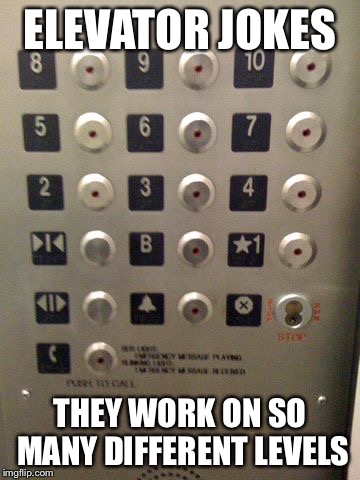
Also, this was 100% me trying to figure out how to post the elevator pitch. I feel you, Patrick. 

Friday, June 8, 2018

Elevator Pitch No. 1

Hey guys!
Here's my link to my first elevator pitch with an intro to Project Pet Shelter, Hotel Rescue!
https://youtu.be/rjELpHaHY1c


Testing the Hypothesis, Part 2


TABLE


Inside the boundary:
Outside the boundary:
Who is in- In this boundary are unadopted pets in the US, and animal shelters
Who is not- This boundary does not include private animal breeders or animals living is stores like Petland that breed/ adopt their own pets to sell
What the need is- The need is to have an alternate solution rather than euthanasia to deal with excess pets going through the animal shelter system
What the need is not- This need is not a pet adoption system, it is meant to be more of a temporary solution just to deal with a surplus of animals
Why the need exists- This need exists because there are so many stray animals, especially in large cities, that just live on the streets and end up getting rounded up by animal shelters with no other solution in sight, and then the shelters get way too full and must find a way, even if it’s undesirable, to deal with the extra animals
Alternative explanations- Some animals could be terminally ill, or combative to the point where they are harming other animals and humans, and they’re influencing a part of the percentage makeup of animals euthanized in the US


SUMMARY OF INTERVIEWS
For my interviews, it was actually kind of hard to find people outside the scope of the unmet need at first. I think I talked to close to a dozen people before I could finally get 5 that actually qualified. One of the people I talked to works at the Petland in Pensacola, Florida, and even though they are a pet company, they still wouldn’t fall into a category of people who would benefit from my idea because they don’t really deal with strays too much. I learned that they often have private breeders supply the pets for their stores. Another person I talked to is my roommate, and she didn’t fall in the category of people who would benefit either. She explained that while she thought it was a big issue that needed dealing with, she would not personally like to be in one of the pet hotels because she thinks it would distract her and get her too attached to a pet that in the end, she could not adopt for her to keep. This got me to talking with some of my other interviewees about the “what” part of this assignment. The need that I identified was to find an alternate solution for animal shelters to place their extra animals that did not involve euthanasia. In the interviews, I was reminded that this does not include finding homes or permanent places for the extra animals. And while it may make sense to try and go that route, I feel like that is a completely different problem with a whole other set of solutions. Finally, I came to realize that while the outsiders saw merit to my solution. their needs didn’t quite align with the solution. More specifically, some of them just still would not be able to easily be a part of the hotel type program, but they may be able to be part of helping the animals in general in other ways such as blanket donations. Overall the interviews got me to stop and think a lot more about just how my solution would work logistically and that it still may be decently difficult to find a large enough group to make it work.